
UNESCO World Heritage Sites in India: Complete Guide
- Jul 5
- 4 min read

UNESCO World Heritage Sites in India
India is home to one of the world's richest collections of cultural, historical, and natural treasures. From magnificent Mughal monuments and ancient Buddhist caves to majestic mountain railways and wildlife sanctuaries, the country's diverse heritage reflects thousands of years of civilization.
Many of these landmarks have been recognized by the United Nations Educational, Scientific and Cultural Organization (UNESCO) as World Heritage Sites because of their exceptional cultural or natural value to humanity.
Whether you are a history enthusiast, a student, a photographer, or a traveler planning your next holiday, exploring India's UNESCO World Heritage Sites offers a fascinating journey through art, architecture, spirituality, and nature.
This guide highlights the most important UNESCO sites across India, along with travel information and historical insights to help you plan your visit.
What is a UNESCO World Heritage Site?
A UNESCO World Heritage Site is a place recognized for its outstanding universal value to humanity. These sites may represent cultural achievements, natural wonders, or a combination of both. UNESCO works with governments around the world to protect and preserve these landmarks for future generations.
India has one of the highest numbers of UNESCO World Heritage Sites in the world, showcasing its rich cultural diversity and environmental heritage.
Types of UNESCO Heritage Sites in India
India's World Heritage Sites fall into three categories:
Cultural Heritage Sites
Historic monuments, temples, forts, archaeological remains, and architectural masterpieces.
Natural Heritage Sites
National parks, forests, wildlife habitats, and biodiversity hotspots.
Mixed Heritage Sites
Sites recognized for both cultural and natural significance.
1. Taj Mahal (Uttar Pradesh)
UNESCO Inscription
1983

About
The Taj Mahal is India's most famous monument and one of the Seven Wonders of the World. Built by Mughal Emperor Shah Jahan in memory of his wife Mumtaz Mahal, the white marble mausoleum is admired for its symmetry, craftsmanship, and timeless beauty.
Why Visit?
World-famous architecture
UNESCO World Heritage Site
One of the world's greatest monuments
Beautiful sunrise and sunset views
Best Time to Visit
October to March
Nearby Attractions
Agra Fort
Mehtab Bagh
Fatehpur Sikri
2. Agra Fort (Uttar Pradesh)
UNESCO Inscription
1983

About
Located near the Taj Mahal, Agra Fort served as the principal residence of the Mughal emperors. Built primarily from red sandstone, the fort features impressive palaces, audience halls, and defensive walls.
Highlights
Jahangir Palace
Diwan-i-Am
Diwan-i-Khas
Musamman Burj
Best Time to Visit
October to March
3. Ajanta Caves (Maharashtra)
UNESCO Inscription
1983

About
The Ajanta Caves comprise 30 rock-cut Buddhist caves dating from the 2nd century BCE to the 6th century CE. They are renowned for their ancient murals, sculptures, and exquisite Buddhist art.
Why Visit?
Ancient Buddhist paintings
Rock-cut architecture
UNESCO masterpiece
Rich historical significance
Best Time
November to February
4. Ellora Caves (Maharashtra)
UNESCO Inscription
1983
About
Ellora features 34 remarkable rock-cut caves representing Hinduism, Buddhism, and Jainism. The Kailasa Temple, carved from a single rock, is considered one of the greatest achievements in rock-cut architecture.
Highlights
Kailasa Temple
Buddhist monasteries
Jain caves
Massive stone carvings
Best Time
October to March
5. Sun Temple, Konark (Odisha)
UNESCO Inscription
1984
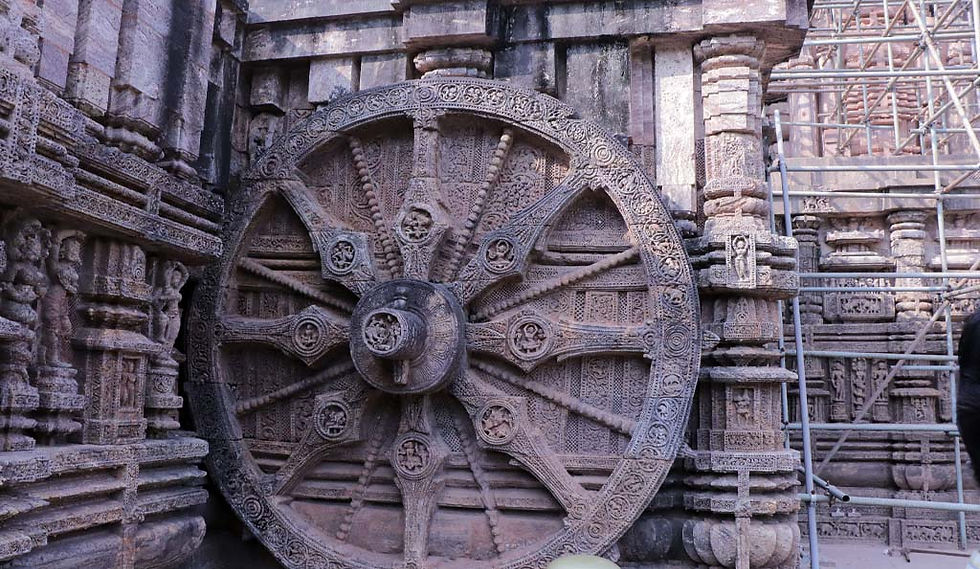
About
The Konark Sun Temple is an architectural masterpiece dedicated to the Sun God. Designed in the shape of a colossal chariot with intricately carved stone wheels and horses, it showcases the artistic excellence of 13th-century India.
Why Visit?
Iconic stone carvings
Temple architecture
UNESCO heritage
Konark Dance Festival
Best Time
October to February
6. Group of Monuments at Mahabalipuram (Tamil Nadu)
UNESCO Inscription
1984
About
Mahabalipuram is famous for its rock-cut temples, cave sanctuaries, monolithic sculptures, and the iconic Shore Temple overlooking the Bay of Bengal.
Major Attractions
Shore Temple
Five Rathas
Arjuna's Penance
Cave Temples
Best Time
November to February
7. Kaziranga National Park (Assam)
UNESCO Inscription
1985

About
Kaziranga National Park is globally recognized for hosting the world's largest population of the endangered one-horned rhinoceros. The park is also home to elephants, wild buffalo, tigers, and hundreds of bird species.
Highlights
One-horned rhinoceros
Jeep Safari
Elephant Safari
Bird Watching
Best Time
November to April
8. Keoladeo National Park (Rajasthan)
UNESCO Inscription
1985
About
Formerly known as Bharatpur Bird Sanctuary, Keoladeo National Park is one of Asia's most important bird habitats. Every winter, thousands of migratory birds arrive from across the world.
Why Visit?
Bird Photography
Migratory Birds
Cycling Trails
Nature Walks
Best Time
October to February
9. Manas Wildlife Sanctuary (Assam)
UNESCO Inscription
1985

About
Located at the foothills of the Himalayas, Manas Wildlife Sanctuary is known for its rich biodiversity and endangered wildlife species including the Bengal tiger, pygmy hog, and golden langur.
Highlights
Tiger Reserve
River Safaris
Elephant Population
Bird Watching
Best Time
November to April
10. Churches and Convents of Goa
UNESCO Inscription
1986

About
These historic churches reflect Goa's Portuguese colonial heritage and include the Basilica of Bom Jesus, which houses the mortal remains of St. Francis Xavier.
Major Attractions
Basilica of Bom Jesus
Se Cathedral
Church of St. Francis of Assisi
Church of Our Lady of Rosary
Best Time
November to February
Also Read:






Comments